Signed in as:
filler@godaddy.com

Here’s a quick list of popular herbs and plants you can use to make tea:
If you’re building a tea garden, here are more options to explore:
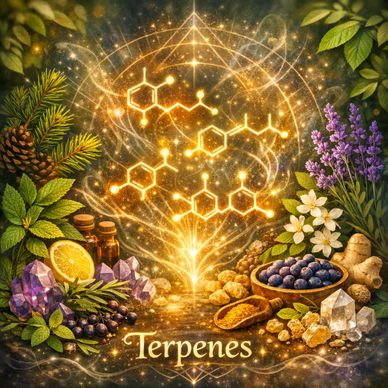
Cannabis contains over 200 identified terpenes, but here are the most common and widely studied ones.
Finding terpenes in alternative plant source
Here’s a clear list of the most studied terpenes, their therapeutic effects, and alternative plant sources.
Terpene Therapeutic Effects Alternative Plant Sources
Myrcene Sedative, muscle relaxant, analgesic, anti-inflammatory Mango, hops, thyme, lemongrass
Limonene Antidepressant, anti-anxiety, antifungal, antibacterial Citrus fruits (lemons, oranges), peppermint
Pinene (α, β) Bronchodilator, memory support, anti-inflammatory Pine needles, rosemary, basil, parsley
Linalool Anxiolytic, sedative, anticonvulsant, analgesic Lavender, mint, coriander
Caryophyllene Anti-inflammatory, analgesic, gastroprotective; interacts with CB2 receptors Black pepper, cloves, cinnamon, oregano
Humulene Anti-inflammatory, appetite suppressant Hops, basil, coriander Terpinolene Antioxidant, sedative, antibacterial Nutmeg, tea tree, apples, lilacs Ocimene Antifungal, antiviral, decongestant Mint, parsley, orchids, basil Geraniol Antioxidant, neuroprotective, antimicrobial Roses, geraniums, lemons Eucalyptol (Cineole) Analgesic, anti-inflammatory, respiratory aid Eucalyptus, rosemary, sage
Bisabolol Anti-inflammatory, soothing, skin healing Chamomile, candeia tree Valencene Insect repellent, energizing Valencia oranges, grapefruits Camphene Antioxidant, cardiovascular support Fir needles, camphor trees
Fenchol Antibacterial, calming Basil, wild fennel
Borneol Analgesic, calming, anti-inflammatory Camphor, mint, rosemary
Phytol Antioxidant, relaxing Green tea, alfalfa
Nerolidol Sedative, antifungal, antiparasitic Jasmine, tea tree, lemongrass Guaiol Antimicrobial, anti-inflammatory Cypress pine
Carene Anti-inflammatory, bone health Basil, bell peppers, cedar
Isopulegol Gastroprotective, calming Mint, lemongrass
here’s a clear, categorized list of terpenes, grouped by their therapeutic effects, with alternative plant sources:
This list makes it easy to see which terpenes align with calming, energizing, pain-relief, antimicrobial, or specialized effects, and where you can find them in nature outside.
Oil of oregano and black seed oil form a dual‑action botanical pair with overlapping but distinct benefits. When you combine them, you get antimicrobial strength from oregano plus systemic anti‑inflammatory and immune‑modulating effects from black seed oil — a synergy supported by modern research.
Below is a clear, evidence‑grounded breakdown of what this combination can do for health.
Oil of oregano’s carvacrol (60–85% in high‑quality oils) disrupts microbial cell membranes, inhibiting bacteria, fungi, and some viruses. Black seed oil’s thymoquinone enhances immune regulation and reduces inflammation, helping the body respond more effectively to microbial stress. Together, they create a complementary antimicrobial effect: carvacrol weakens pathogens externally, while thymoquinone modulates internal immune pathways.
Both oils have immune‑modulating properties:
Combined, they help balance immune response rather than overstimulating it.
Thymoquinone is a potent anti‑inflammatory and antioxidant molecule. Carvacrol also shows anti‑inflammatory effects in controlled studies. Together, they help lower background inflammation and oxidative stress — useful for joint comfort, skin clarity, and metabolic wellness.
Black seed oil has documented bronchodilatory and airway‑relaxing effects. Oregano oil supports sinus clarity and respiratory comfort. The combination is often used during seasonal respiratory challenges.
Oregano oil helps rebalance gut microbes and may reduce overgrowth. Black seed oil supports digestive comfort and reduces gut inflammation. Together, they help maintain a healthier microbial environment in the digestive tract.
Black seed oil has shown modest improvements in:
Oregano oil contributes antioxidant support that complements these effects.
Oil of oregano is widely studied for its ability to disrupt microbial membranes, including certain protozoa and fungi. While not a pharmaceutical antiparasitic, its broad antimicrobial activity can help create an environment less favorable for parasitic organisms.
Black seed oil’s thymoquinone supports immune regulation and inflammation reduction, helping the body respond more effectively to parasitic stressors.
Together:
This pairing is often used in herbal protocols aimed at microbial and parasitic balance, though it should not replace medical antiparasitic treatment when needed.

This one of those pairings where the plants seem to recognize each other and amplify each other’s strengths.
Ingredients (per cup):
Instructions:
Optional additions:
It is important that,
When heating the water for your tea,
make sure that you keep the temperature in a range that will not harm the integrity of the Terpenes,
and at the same time draw them from the plant.
The terpenes will be ineffective above approximately
190 Deg, and should be approximately 120-140 Deg to release them.
I like to keep the temperature from 150-170 deg.
When constructing a Terpene profile,
Start with the desired effect of the Terpene, find the plant or Herb that contains the element.
Try one at a time to see if effect is what you want.
As you work your way through the terpenes find the effects that you prefer.
Have fun and as always bring The Love vibration with you and infuse it into your tea by simply speaking it into existence.
Disclaimer:
These tea recipes are offered for wellness education and personal exploration. While many herbs have traditional uses, every body is unique. This material is not a substitute for professional medical guidance. Please consult a healthcare provider before consuming herbal preparations if you have health concerns, take medication, are pregnant or nursing, or have known allergies. Listen to your body and use these recipes mindfully.

Adding mint to black tea + fresh rosemary + hibiscus blend works beautifully. It doesn’t just “fit”—it elevates the entire profile. Mint is one of the herbs most commonly paired with hibiscus for both flavor and digestive support, and rosemary–mint is already a well‑loved herbal pairing. myhealthopedia.com
🌿 How mint changes the flavor
Mint adds a cooling, refreshing top note that rounds out the tartness of hibiscus and the piney depth of rosemary.
This creates a layered, complex cup that tastes intentional rather than crowded.
🍃 Health synergy in the blend
Each herb brings something different, and mint integrates well with all of them.
Together, the blend becomes energizing, heart‑supportive, digestive‑friendly, and aromatic.
🍵 Suggested ratio for balance
A starting point that keeps mint from overpowering the rosemary:
Steep 4–6 minutes.
Mint is potent, so adjust upward only if you want a stronger cooling effect.
⚠️ Things to keep in mind
If you have blood pressure concerns or kidney issues, it’s best to check with a healthcare professional before making this a daily blend.

An Earthy flavor that will remind you of your favorite dusty path.
Equal parts of each powder into a cup of heated water.
Honey to taste
Relaxing and cerebral

A potent and beautifully balanced pairing — Ashwagandha and Sea Buckthorn Tea blends the grounding calm of Earth with the bright vitality of Sun. It’s both restorative and awakening, a tonic for resilience and radiance.
Steep 1 teaspoon of dried sea buckthorn berries (or 1 tablespoon of juice) and ½ teaspoon of ashwagandha powder in hot water for 5–7 minutes.
Add honey or lemon to balance the earthy and tart notes.
Drink warm — ideally in the morning or early afternoon when you want grounded energy without stimulation.

A gout‑supportive tea focuses on herbs that calm inflammation, help the body process uric acid, and gently support the kidneys and liver.
A warming, anti‑inflammatory, uric‑acid–balancing infusion
Optional additions
Covering the tea keeps the aromatic compounds — especially from ginger and celery seed — from evaporating.
Warm and spicy from ginger, earthy from turmeric, green and mineral‑rich from nettle and dandelion, with a savory lift from celery seed. Balanced and grounding.
Enjoy 1–2 cups per day during times when you want extra anti‑inflammatory support. Many people prefer it after meals, since ginger and turmeric also aid digestion.

chlorophyll doesn’t “alkalize the body” in the literal biochemical sense, but it can support the systems that naturally regulate your internal pH — and that’s where the real magic is.
Your blood pH is tightly regulated by your kidneys and lungs. No food or supplement can override that — if it could, you’d be in the ER.
But chlorophyll-rich foods can support the organs and processes that keep your internal environment balanced:
So while chlorophyll doesn’t directly “alkalize,” it reduces the burden that makes the body feel acidic — inflammation, stress, sluggish digestion, and toxin load.
Think of it as Earth energy absorbing excess Fire.
These are ranked by actual chlorophyll density, not hype.
The highest natural chlorophyll concentration in a plant you can easily consume.
Symbolically: pure green life-force, the rising sap of spring.
A freshwater algae with extremely high chlorophyll content.
Bonus: binds heavy metals.
Symbolically: deep emerald micro‑sun, cellular renewal.
Technically a cyanobacteria, but rich in chlorophyll + phycocyanin.
Symbolically: primordial ocean wisdom, the first breath of life.
One of the most chlorophyll-dense herbs.
Symbolically: bright cleansing Air, sweeping stagnation away.
Easy, accessible, and effective.
Symbolically: Earth’s green mantle, grounding and nourishing.
Shade-grown tea leaves = boosted chlorophyll.
Symbolically: stillness, clarity, the green mind.
They’re convenient, but not superior to whole-food sources.
If you use them, choose chlorophyllin-free versions (chlorophyllin is semi-synthetic).
Whole plants = more minerals, enzymes, and synergistic compounds.
These foods actually shift the metabolic acid load:
Chlorophyll-rich foods fit beautifully into this pattern.
Chlorophyll is the green bridge:
It’s literally sunlight condensed into a molecule that nourishes blood.
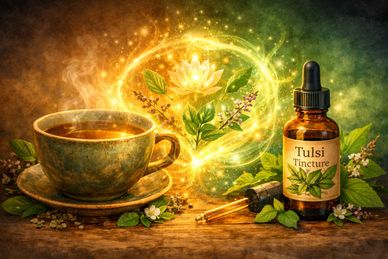
Tulsi (Holy Basil): The Herb of Equilibrium
Tulsi, revered in Ayurvedic tradition as “The Incomparable One,” is considered both a sacred plant and a living symbol of balance — harmonizing the body’s physical, energetic, and emotional systems.
Symbolically, Tulsi represents the union of Earth and Spirit — its roots in soil, its fragrance rising toward the divine. It teaches that balance isn’t static; it’s a living dance between groundedness and transcendence.
energetic signature — how its vibration interacts with the chakras or subtle body fields? That would deepen the metaphysical layer beautifully.
🌿 Tulsi’s Energetic Signature: The Bridge Between Earth and Spirit
Tulsi’s vibration is like a gentle current of golden-green light — simultaneously grounding and ascending. In the subtle anatomy of the body, it acts as a harmonizer between the lower and higher energy centers, teaching the system how to breathe in balance.
ChakraTulsi’s InfluenceSymbolic Expression Root (Muladhara)Stabilizes scattered energy, strengthens immunity, and anchors the spirit in the body.Earth’s pulse — steady, protective, nurturing. Sacral (Svadhisthana)Clears emotional stagnation, restores fluidity and creativity.Flowing water — adaptability and sensual vitality. Solar Plexus (Manipura)Calms excess fire, balances willpower with compassion.Gentle flame — courage without aggression. Heart (Anahata)Opens the heart field, harmonizing breath and emotion.Emerald light — love as equilibrium. Throat (Vishuddha)Purifies expression, helping truth emerge without tension.Clear air — voice of calm clarity. Third Eye (Ajna)Enhances intuitive perception and inner vision.Indigo glow — awareness beyond thought. Crown (Sahasrara)Connects the individual consciousness to divine intelligence.Radiant gold — unity with the Source.
Tulsi’s spirit teaches that balance is not the absence of movement but the dance of opposites finding rhythm. It harmonizes the sympathetic and parasympathetic systems — the body’s inner yin and yang — so that energy flows freely between grounded presence and transcendent awareness.
In meditation, Tulsi’s subtle fragrance can be felt as a halo around the heart, reminding the practitioner that equilibrium arises when devotion and vitality meet.